Smart Blogging AI

Yogesh Mahajan

How Does Ben Stace Do Semantic SEO
SEO

How Does Ben Stace Do Semantic SEO: A Deep Dive into His Strategy

How Does Ben Stace Do Semantic SEO In the fast-evolving world of online advertising, semantic SEO is not optional but a need. Ben Stace is one of the names that comes up again and again in the discussions of the people about the innovations of the SEO. The theory is claimed to have swept the industry through its graceful approach to search algorithms and user intent by Stace. But how does Ben Stace do semantic SEO so as to render him different? This analytical paper is going to illustrate his tactics, methods, and philosophy and will also provide the facts that could be assumed by the modern-day marketers and content thinkers. Research on the semantic SEO 2025 In order to acquaint ourselves with the way Ben Stace is doing semantic SEO, we would first need to have a fairly rudimentary idea of what semantic SEO actually is and then how it is done. Semantic SEO is important because it does not merely attempt to optimize content using the keyword but on meaning. It is also a continuation of the predictive search engine role in identifying intentions of the users and responding to the queries in regard to new changes such as BERT and MUM trends introduced by Google. Unlike the traditional SEO that focused on specific phrases, semantic SEO focuses on the development of topical authority, placement of context, and network of keywords. He does not consider content as meaning words. Instead, he develops it as he devises the response to a set of related user questions. This is where he can cook up many of the strategies. 📊 Ben Stace’s Semantic SEO Strategy: A Breakdown Strategy Element Description Tools Used Philosophical Foundation SEO built on user satisfaction and real-world search behavior, not just ranking. Human-centric principles, natural language modeling Pillar Pages & Clusters Builds detailed pillar pages supported by semantically linked topic clusters. MarketMuse, Frase, SurferSEO Intent Mapping Aligns content with searcher intent: informational, navigational, transactional, commercial. Clearscope, Semrush Natural Language Queries Content optimized for voice search and natural conversation patterns using synonyms and semantic proximity. Google NLP API, TextRazor Schema & Structured Data Uses structured markup (FAQ, Product, Article) to enhance SERP visibility and improve indexing. Schema.org, Rank Math, Merkle Schema Generator Entity-Based Optimization Focuses on relationships between entities (e.g., people, brands, topics) instead of simple keywords. InLinks, Kalicube Pro Zero-Click Optimization Designs content to win featured snippets and answer boxes (40–60 word summaries, bullet points, etc.). SurferSEO, Clearscope Topic Ontologies & Graphs Creates conceptual maps to link ideas and ensure coverage depth and coherence across the site. WordLift, Neo4j Real-Time Updates Continuously updates semantically weak or outdated content based on real-time rank loss and content drift. Jasper AI, Content Harmony, analytics suites E-E-A-T Signals Establishes trust with author bios, source links, citations, and accurate timestamps to align with Google’s Helpful Content System. Internal processes, authoritative sourcing Multimodal Semantics Integrates videos, audio, images, transcripts, and alt text for a richer semantic experience. Otter.ai, Canva, AI transcribers Competitive Semantic Analysis Reverse-engineers top content using semantic coverage and topic modeling rather than keyword spamming. SurferSEO, MarketMuse, Frase Core SEO Toolkit Uses a variety of advanced SEO tools daily to optimize semantically meaningful content across platforms. SurferSEO, MarketMuse, InLinks, WordLift, Clearscope, Semrush, Jasper AI, Google NLP API, Schema.org Ben Stace Philosophical Ori As one goes through How Does Ben Stace Do Semantic SEO, it becomes obvious that he possesses these tactics that are informed by the philosophical method. He does not only enjoy being ranked; he enjoys serving. Stace has a belief that the search engines are user-centric tools, and thus his writings have to be self-reflective of the way human beings search, think, and find solutions. It is just one of the principles that would single him out on another scale. It is the user behavior with which he is on the same side, and other humans are chasing after algorithms? It means living on a keyboard-based rhythm of chat, natural-language query, and long-tail subject matter relevance. Instead of being strict on volume, he aims at satisfaction. Guidelines Pillar Pages and Content Clusters The creation of the pillar pages and the content clusters is the creation of one of the simplest methods of approaching semantic SEO today. How does Ben Stace do semantic SEO? Which one? The pillar articles that deal with the general topics in a detailed manner form the basis of his content ecosystems. These pillar pages are in turn supported by cluster content individual pages containing specific subtopics, which direct to the pillar. This internal linking practice is an indication to the search engines that this topic is earthed. The result? Better success in the standings and a longer permanence. The professional retrieval of his topic clusters comes by the help of tools such as MarketMuse, Frase, and SurferSEO that enable additional tracking of the semantically pertinent material and content gaps. Intent Map Plan Main Space The second to be asked, then, is: with intent mapping? He classifies the content into four types of intent, among which there exist informational intent, navigational intent, and transactional and commercial intent. Every piece of content has its mission and goal of moving the users through the funnel. Specifically, a post titled what is semantic SEO? Will be informational in nature, and the internal links to the pages that create conversion will be built. Stace is also competent enough to couple content with intent, and that is why he can dominate whole niches and not individual words. To create the content, he frequently installs tools such as Clearscope or Semrush that provide the clear intent SERP. Inquiry and dialogue combinations Having discussed the major distinctions between the approaches Ben Stace uses in semantic SEO, one must make a mention of natural language pattern usage. He maximizes semantic proximity instead of willful placement of keywords. They consist of synonyms, pertaining phrases, and co-words. He uses, e.g., Google NLP API or TextRazor to identify the most relevant entities and decide about their

How Does Ben Stace Do Semantic SEO: A Deep Dive into His Strategy Read Post »

Off Page SEO
SEO

The Ultimate Handbook to Off Page SEO: Strategies Which Are Actively Operating in 2025

Off Page SEO In the current Internet universe, being at the top of the search engines is no longer about making your web site more contently or optimizing your HTML hyperbaric tags. As important as on-page optimization is, what is happening beyond your site is also a controlling influence. Welcome to the stage of Off Page SEO – one of the most misunderstood and significant the elements of search engine optimization. Have you ever wondered how some websites can appear so high in Google when perhaps they contain somewhat the same material or even the same design and design as another site? Off Page SEO is normally the key. On-site SEO is all the stuff around your site, e.g. keywords, internal linking, metadata, and so on, whereas Off Page SEO is all external stuff: links, social, brand mentions, et cetera. This definitive guide will unravel everything you require to come up with appropriate strategy to get you real outcomes, without getting your Google ranking in trouble or overstepping any policy that can usurp your AdSense revenue. The white-hat optimization to the affiliate outreach, this is how you create your domain authority and authority regarding the trust and visibility of 2025 and beyond. What Is Off Page SEO? Off Page SEO refers to all the optimization techniques carried out outside your webpage, but which have significant effect on how you appear on the search engine results pages (SERPs). It includes building backlinks, social media promotion, guess blogging, influencer marketing, and even the online PR. Think of it in terms of popularity of your site among the wider world of the virtual. On-page SEO communicates to the search engines what your site is all about, whereas Off Page SEO tells them whether your content has been considered reliable and worth checking out by people. The search engines use this information to determine your authority. That is why it is not just link building but relation and brand associations and credibility that puts your online presence on a new level. 📊 Off Page SEO in 2025: Ultimate Strategy Breakdown Category Description Recommended Tools Definition All SEO actions outside of your website that impact SERP rankings, including backlinks, brand mentions, influencer outreach, and social media. N/A Importance in 2025 Critical for building domain authority, trust, and visibility. Supports Google’s E-E-A-T model and AdSense profitability. Google Search Console, Ahrefs, Moz Backlink Building Focuses on earning backlinks from high-authority sites through guest posts, broken link repair, and shareable content like infographics. Ahrefs, Moz, SEMrush Social Signals While not a direct ranking factor, they indirectly help generate traffic and natural backlinks via viral sharing and engagement. Buffer, Hootsuite, Twitter, LinkedIn Brand Mentions Unlinked mentions on blogs, forums, podcasts, and Reddit build trust and signal relevance to Google’s algorithms. Google Alerts, Brand24 Influencer Outreach Collaborating with niche influencers to gain backlinks and exposure through social media, blog posts, or YouTube. BuzzSumo, Upfluence, Traackr Guest Blogging Publishing quality content on reputable industry blogs for backlinks and audience access. Avoid spammy guest-post networks. Email outreach tools (Mailshake, Pitchbox), BuzzStream Content Marketing Creating evergreen, data-driven, shareable resources (e.g. ultimate guides, whitepapers) that naturally attract backlinks and mentions. Frase, SurferSEO, Canva Local Off Page SEO Optimizing local citations, online reviews, and area-specific backlinks. Key for small/local businesses. Google Business Profile, Yelp, TripAdvisor, BrightLocal Tools & Technology Platforms to analyze backlink profile, identify influencers, track mentions, and automate outreach for Off Page SEO. Ahrefs, SEMrush, Moz, BuzzSumo, Google Alerts, Mention Strategy Building Set goals → analyze competitors → create valuable content → perform targeted outreach → monitor progress and refine. Ahrefs, SEMrush, Google Sheets Common Mistakes Buying links, participating in link schemes, using link farms, ignoring brand mentions, or avoiding social media altogether. N/A White-Hat Tactics Manual outreach, relationship building, quality guest blogging, digital PR, link reclamation. HARO (Help a Reporter Out), BuzzStream, Linkody Black-Hat Tactics Link buying, comment spamming, link farms, cloaking, or manipulating anchor text. (Avoid these entirely) Google’s Perspective Google evaluates Off Page SEO based on contextual relevance, trust signals, link quality, brand reputation, and user engagement metrics (e.g. CTR, bounce rates). Google Search Console, Analytics, Lighthouse Measuring Success Monitor backlinks, domain authority, keyword movement, referral traffic, social shares, and brand mentions to evaluate campaign effectiveness. Ahrefs, Moz, SEMrush, Google Analytics Future Trends More emphasis on brand trust, ethical link-building, AI-assisted analysis, real-time sentiment tracking, and less reliance on “tricks.” AI SEO platforms, NLP analyzers, influencer tracking software Why (Matters) More Than Ever in 2025 Search engine algorithms are now stronger. In recent years, core updates made by Google have increasingly placed an increased emphasis on expertise, authoritativeness, and trustworthiness also known as E-A-T which Google Off Page SEO is actively signaling or conditioning. Among the most attractive of them is that a backlink on such authoritative source as Forbes or BBC can perform wonders to your site authority. Continuous advertisement of your brand names in the social sites, discussion boards/groups and the news sites will similarly make you a source that people will look up to. This is particularly important to the websites as google AdSense is employed in earning an income. Better means better exposure, more clicks and eventually more profit. But beware not every linkage is equal. Manipulative or spammy methods are punished by Google, and it is important to know the moral bit of Off Page SEO. Primary Aspects of Off Page SEO Backlink Building The backlinks form the foundation of Off Page SEO. The high quality websites back-linking to your pages are a confidence vote to your content. However, in 2025 quality beats quantity. Instead of 30 blog posts of low quality, a single backlink with the high-authority domain of the industry would be way better. To win backlinks naturally, I would recommend the creation of long guides or original research, or articles which are infested by data, and which people cannot resist quoting. The only legal ways to generate Off Page SEO via backlinks are backlinking through guest posting, repairing broken links, and

The Ultimate Handbook to Off Page SEO: Strategies Which Are Actively Operating in 2025 Read Post »

affiliate marketing
Affiliate marketing, Affiliate marketing, Articles, Uncategorized

Best Niches for Affiliate Marketing in 2025 (Low Competition, High Earnings)

Affiliate marketing continues to evolve, and as we look forward to 2025, it’s clear that choosing the right niche is more important than ever. With increased competition, shifting consumer priorities, and the rise of new digital technologies, the affiliate marketing landscape presents both exciting opportunities and unique challenges. This comprehensive guide will help you identify the best affiliate marketing niches for 2025, with an emphasis on those offering low competition and high earning potential. We’ll explore key trends, analyze market data, offer comparison tables, micro-niche ideas, expert tips, and actionable advice for building a lucrative affiliate business in this rapidly changing field. Why Niche Selection Matters in Affiliate Marketing Many new affiliates fall into the trap of targeting broad, saturated markets, only to discover that ranking, converting, and earning are far more difficult than anticipated. Niche selection is at the core of successful affiliate marketing for four key reasons: A smart affiliate doesn’t go after the biggest market—they go after the best market for their skills, interests, and resources. What Makes a Profitable Affiliate Niche in 2025? Identifying the next big affiliate opportunity is not about guessing, but following proven indicators. Here’s what matters: 1. Growing or Evergreen Market Demand Look for sectors experiencing stable growth or that fulfill an evergreen need—think health, security, or money for Affiliate marketing. 2. Low-to-Moderate Competition High competition isn’t always bad, but it makes entry harder. Target micro-niches for Affiliate marketing where established authorities aren’t dominating. 3. High Earnings Potential Consider not just commissions, but product price, subscription potential, and the presence of recurring affiliate payouts for Affiliate marketing. 4. Clear Buyer Intent You want an audience motivated to act—often searching for comparisons, reviews, or solution-oriented content. 5. Reputable Affiliate Programs Aim for niches with multiple, long-running, reputable affiliate programs to diversify your income for Affiliate marketing. Major Trends Shaping Affiliate Marketing Niches in 2025 Understanding trends puts you ahead of the curve. For 2025, here’s what’s reshaping the market: Top Low-Competition, High-Earning Affiliate Niches for 2025 Let’s break down the best performing, under-tapped niches for Affiliate marketing, based on emerging trends, affiliate payouts, and competition analysis. 1. AI Tools for Small Business With the AI boom, there’s space for affiliates passionate about automation, SaaS, and productivity. What makes this niche especially appealing is the diversity—think AI-driven copywriting, design tools, content generation, and even sales automation. 2. Sustainable & Eco-Friendly Products Consumer consciousness around sustainability continues to surge. From reusable kitchenware to biodegradable gadgets and eco-friendly fashion, buyers are seeking genuinely green solutions. 3. Pet Health & Training Micro-Niches Pet care isn’t new, but pet health, specialized diet, and breed-specific solutions represent a goldmine for resourceful affiliates. 4. Home Security Tech & DIY Safety Advances in smart tech and the popularity of DIY projects create potent affiliate opportunities in home security. 5. Niche Health & Fitness (Targeted Solutions) General weight loss is competitive, but micro-niches targeting demographic-specific or condition-specific solutions offer plenty of room. 6. Homeschooling, EdTech, and Online Courses The edtech revolution is in full swing, and many parents seek resources for remote or hybrid learning. Specialized online learning for adults (career advancement, coding, creative skills) is booming. 7. VPNs & Privacy Tools With increasing concerns over digital privacy, tools like VPNs, privacy-focused browsers, and online security platforms are evergreen. 8. Smart Home Devices From voice assistants to energy-efficient lighting, this sector grows year after year. 9. Freelancing & Remote Work Platforms With so many moving online, there’s huge demand for training, SaaS tools, and community platforms supporting freelancers and remote teams. 10. Personal Finance Automation & Side Hustles People are eager for tools that save money, automate finances, and offer additional income streams. Table: Niche Comparison Overview for Affiliate marketing Niche Growth Rate / Size Why It’s Profitable Competition Recurring Commissions Example Affiliate Products AI Tools Explosive (SaaS boom) New tech, pivotal for business Low–Mid Yes Jasper, Writesonic, SurferSEO Eco Products Steady rise Consumer-driven, loyal market Low Sometimes EarthHero, Blueland, Alltrue Boxes Pet Health 5.1%/year Emotional buyers, pet wellness Low Sometimes Ollie, BarkBox, Tractive GPS Home Security Tech Rapid adoption High-ticket, peace-of-mind factor Low Rare SimpliSafe, Ring, Vivint Niche Health Evergreen Many micro-niches, strong demand Low–Mid Yes (apps, tools) Noom, Headspace, Kinsta, Future.Fit EdTech & Courses $375B by 2026 Digital skills, remote learning wave Low–Mid Yes (SaaS, courses) Skillshare, Coursera, Outschool VPNs 15%/year Security, privacy, many audiences Mid Yes NordVPN, Surfshark, ProtonVPN Smart Home $135B by 2025 Innovative, high-ticket Low Sometimes Philips Hue, Amazon Echo, Wyze Remote Work $59B by 2027+ New normal, B2B & solo focus Low Yes (SaaS) Trello, Monday.com, Fiverr Personal Finance Fast-growing Automation, high retention tools Mid Yes Acorns, M1 Finance, TurboTax Graph: Affiliate Niche Growth Potential (2022–2025) [Imagine a bar chart here: X-axis = Niches, Y-axis = Annual Growth Rate (%). VPNs, AI tools, Smart Home, and EdTech show the highest bars.] Deep Dives: How to Stand Out in Each Niche Let’s explore what it takes to win in these niches—because even low-competition fields demand expertise and effort. AI Tools for Small Business Eco-Friendly Products Pet Health & Training Micro-Niches Home Security Tech Niche Health & Fitness EdTech, Homeschooling, and Online Courses VPNs and Online Privacy Tools Smart Home Devices Freelancing & Remote Work Platforms Personal Finance Automation & Side Hustles Table: Pros and Cons of Each Niche for Affiliate marketing Niche Pros Cons AI Tools Rapid growth, high commission, less saturation Fast-evolving, content obsolescence Eco-Friendly Loyal audience, positive impact, emerging products Requires authentic content, greenwashing Pet Health Emotional, recurring customers, fun content Product safety concerns, vet expertise Home Security Tech High-ticket, evergreen, trust-driven Needs technical comprehension Niche Health Evergreen demand, versatile audience Restricted claims, regulation risk EdTech Growing, high LTV, variety of products Compliance, accreditation issues VPNs High returns, strong recurring payouts Tech jargon, geo restrictions Smart Home High order values, cross-selling Product compatibility headaches Remote Work Topical, multiple audience segments Fast-changing tool landscape Personal Finance Large market, high LTV, renewed interest Trust barriers, personal data concerns Micro-Niche Ideas for 2025: Avoiding Saturation Most successful affiliates in 2025 will build authority in micro-niches:

Best Niches for Affiliate Marketing in 2025 (Low Competition, High Earnings) Read Post »

answerthepublic
Articles, Blogging, SEO, Uncategorized

Announcing Answerthepublic Review: Pros, and Cons, Plans and Features in 2025

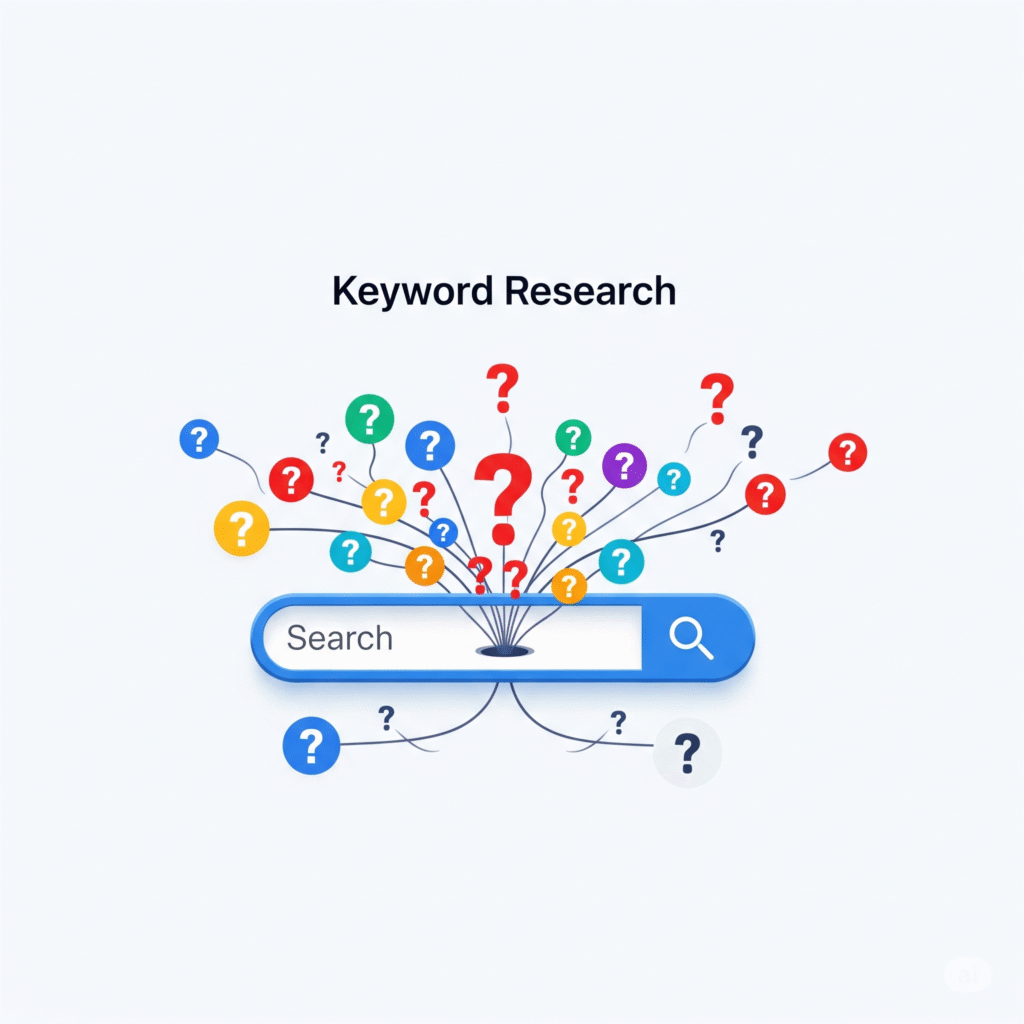
Discovering what your audience wants has never been more critical. By understanding how people search online, you can create content that grabs attention, delivers value, and drives traffic. Enter AnswerThePublic, a renowned keyword research tool that caters to those needs with unique, user-friendly features. Here’s an in-depth look at what Answer The Public offers in 2025, including its features, plans, usage tips, pros, cons, and alternatives. What Is Answerpthepublic? AnswerThePublic is a keyword research tool that helps you understand what people are searching for on platforms like Google and Bing. Unlike traditional keyword tools, it visualizes data in an intuitive way — think keyword clouds, lists, and wheels that represent user queries and content ideas grouped by question types. This tool leverages autocomplete data from search engines to outline the most popular questions, comparisons, and prepositions related to a topic. Whether you’re blogging, running a YouTube channel, or optimizing your website, AnswerThePublic provides actionable insights to help you connect more deeply with your audience. Why is it valuable? Because creating great content starts with addressing user intent. By exploring what your audience is asking and how they’re phrasing their questions, you can position your content to appear in those valuable search results. Key Features of AnswerThePublic AnswerThePublic provides rich insights across various forms of data representation. Here’s a breakdown of its standout features in 2025, including what makes the Pro version unique. 1. Keyword Visualization One key capability of AnswerThePublic is its distinctive visual representation of keyword data. Rather than an overwhelming list, this tool organizes search suggestions into breathtaking visuals such as “question clouds” and “data wheels.” For example, if the keyword is “SEO,” you’ll see results arranged under headings like “how,” “what,” “can,” or comparisons such as “SEO vs SEM.” These visuals are not just helpful; they make complex keyword research approachable for beginners. The feature also includes high-resolution images of these visuals that users can download, making this tool perfect for presentations or sharing with your team. 2. Pro Features AnswerThePublic’s Pro version takes basic functionality to new heights. Here’s what you get when upgrading: These powerful features make the Pro version highly appealing to professional marketers, bloggers, and e-commerce specialists. 3. Ease of Use AnswerThePublic is designed for simplicity. Its user-friendly UI ensures smooth navigation for beginners and seasoned experts alike. The process is as simple as typing a keyword into the search field, selecting your language and location, and receiving instant results. Whether you prefer visual charts or clean, data-driven tables, the tool meets your presentation and workflow needs seamlessly. 4. Data Export The ability to export data in various formats (CSV, JSON, or high-resolution images) adds versatility for analysis or sharing across platforms. Small teams or agencies will appreciate how efficiently they can transfer insights into actionable strategies. AnswerThePublic Plans and Pricing AnswerThePublic offers both free and paid plans, catering to diverse user needs. Free Plan Ideal for newcomers, the free plan allows three searches per day. It provides basic data visualization and table formats but excludes advanced features like historical comparisons, unlimited searches, or storage. While this is adequate for initial exploration, most professionals quickly outgrow its limitations. Pro Plan The Pro version is available with lifetime pricing, making it an attractive option for committed users: Pro users enjoy unlimited searches, exclusive exports, team access, and trend analysis over time — all of which justify the cost for those who rely on steady content production. Plan Comparison Feature Free Plan Pro Plan Daily Searches 3 Unlimited Visualization Downloads Low Resolution High Resolution Historical Comparisons Not Available Available Customer Support Standard Priority Data Export Limited Unlimited,Cleaned Images Pros and Cons of AnswerThePublic While AnswerThePublic excels at its core mission, it’s essential to weigh its strengths against its weaknesses before committing to a plan. Pros Cons How to Effectively Use AnswerThePublic If you want to maximize the effectiveness of AnswerThePublic, follow these steps: Step 1. Find Your Niche Keyword. Start with broad terms related to your industry. For example, if you’re in affiliate marketing, explore keywords like “Amazon affiliate tips.” Step 2. Analyze Suggestions by Type. Look at grouped data — questions, comparisons, or prepositions — to identify keyword opportunities. For instance, the “why” group often captures user intent, making these keywords ideal for blog posts. Step 3. Download Valuable Insights. Export visuals and CSV files to organize your findings. Share these visuals for collaboration or reporting. Step 4. Refine Results with Pro Features. Use advanced functions (like keyword hiding) to focus only on relevant ones, saving time. By sticking to these steps, you’ll unlock low-competition, high-potential keywords while creating hyper-relevant content ideas. Alternatives to AnswerThePublic No tool is perfect, so if AnswerThePublic doesn’t fully serve your needs, consider these alternatives: 1. Semrush Semrush is the gold standard in SEO. With more than 50 tools for competitor analysis, rank tracking, site audits, and more, it offers unparalleled value. Use it for understanding keyword metrics — volume, difficulty, trends — and running A/B campaign experiments. 2. Ubersuggest Much more budget-friendly, Ubersuggest combines site audits, competitive analysis, and keyword metrics in one. Unlike AnswerThePublic, it gives volume and CPC insights, making it a more versatile choice for tracking ROI. 3. KeywordTool.io This alternative focuses on both long-tail keyword generation and platform-based research, such as YouTube and Amazon. Free users can still extract basic patterns but expect growth-focused features to come with a paid plan. How They Compare While AnswerThePublic zeroes in on questions users ask, its alternatives offer complementary strengths. For example, Semrush excels at deep analysis, while Ubersuggest focuses on affordability and simple execution. Final Thoughts AnswerThePublic may lack heavy-duty technical features, but it excels as a brainstorming and ideation tool. Its visually compelling results make keyword research less intimidating, while its simple functionality ensures everyone from novice creators to seasoned marketers can find value. If used alongside a robust SEO tool, it could significantly empower your content strategy. If you’re ready to tap into your audience’s curiosity, AnswerThePublic Pro is worth exploring. It combines

Announcing Answerthepublic Review: Pros, and Cons, Plans and Features in 2025 Read Post »

Professional working on SEO strategy at modern digital workspace
Articles, SEO

SEO for Beginners 2025: Simple Tips for Blogs and Affiliate Marketing

SEO might sound complex in 2025 and there are more changes happening than ever before. But here is something that stops most people in their tracks. Google’s latest algorithms care far more about whether your site truly helps real people than about how many times you stuff in a keyword. That means the most powerful strategy is not chasing hacks or tricks but learning how to actually answer user questions better than anyone else online. Table of Contents Understanding Seo Basics In 2025 The Changing Landscape Of Search Algorithms Technical Seo Fundamentals Emerging Seo Strategies Choosing The Right Keywords For Your Blog Understanding Modern Keyword Research Strategic Keyword Selection Techniques Advanced Keyword Optimization Approaches On-Page And Off-Page Seo Strategies Mastering On-Page Seo Fundamentals Advanced Technical On-Page Optimization Strategic Off-Page Seo Approaches Seo Tools Every Affiliate Marketer Needs Essential Keyword And Research Tools Technical Seo And Performance Optimization Strategic Backlink And Authority Building Quick Summary Takeaway Explanation Focus on User Intent Create content that genuinely addresses user questions and needs, prioritizing user experience over traditional keyword strategies. Embrace Advanced Keyword Research Utilize modern tools to identify user intent and contextual relevance, focusing on long-tail keywords and conversational search queries. Integrate On-Page and Off-Page Strategies Balance holistic on-page content creation with strategic off-page authority building to enhance online visibility and user engagement. Utilize Proven SEO Tools Leverage advanced SEO tools for keyword research, technical performance analysis, and backlink acquisition to drive traffic and improve site authority. Adopt a Holistic SEO Approach Combine technical SEO with creative content strategies, viewing tools as dynamic resources for ongoing development and adaptability in a changing landscape. Understanding SEO Basics in 2025 Search engine optimization continues to evolve rapidly, transforming how content creators and marketers approach online visibility. In 2025, understanding SEO requires a strategic blend of technical knowledge and user-focused content creation. The Changing Landscape of Search Algorithms Search engines have become significantly more sophisticated in recent years. Google’s algorithm updates now prioritize user experience and intent more than ever before. This means creating content that genuinely answers user questions and provides real value has become paramount. Modern SEO strategy revolves around three core principles: relevance, authority, and user engagement. Websites can no longer rely on keyword stuffing or manipulative tactics. Instead, they must create comprehensive, high-quality content that directly addresses user needs. Research from Moz suggests that understanding search intent is now more critical than exact keyword matching. Keystone elements of effective SEO in 2025 include: Content Quality: Deep, well-researched content that thoroughly explores a topic User Experience: Fast loading times, mobile responsiveness, and intuitive navigation Technical Optimization: Structured data, schema markup, and semantic search compatibility Technical SEO Fundamentals Technical SEO has transformed from a backend optimization strategy to a holistic approach integrating user experience and content strategy. Websites must now focus on core web vitals, which measure page speed, interactivity, and visual stability. Search engines reward sites that provide seamless, fast, and accessible experiences across all devices. Artificial intelligence and machine learning continue to play significant roles in search algorithms. These technologies enable more nuanced understanding of content context, making it crucial for creators to develop comprehensive, semantically rich content that addresses multiple related queries. Search engines in 2025 prioritize websites that demonstrate expertise, authority, and trustworthiness. This means content creators must go beyond surface-level information and provide deep, actionable insights backed by credible sources and expert perspectives. Emerging SEO Strategies The future of SEO is increasingly user-centric. Voice search, AI-powered assistants, and more sophisticated natural language processing mean content must be conversational and directly responsive to user queries. Long-tail keywords and question-based content formats are becoming more important than traditional keyword strategies. Additionally, multimedia content integration has become crucial. Videos, infographics, and interactive elements can significantly enhance user engagement and provide alternative ways of consuming information. Search engines now evaluate content comprehensiveness through diverse media formats. Successful SEO in 2025 requires continuous learning, adaptability, and a commitment to creating genuinely valuable content that serves user needs. By understanding these evolving dynamics, content creators can develop strategies that not only rank well but also provide meaningful value to their audience. Choosing the Right Keywords for Your Blog Keyword selection remains a critical strategy for bloggers seeking online visibility in 2025. The process requires a nuanced understanding of search intent, audience behavior, and strategic content planning. Understanding Modern Keyword Research Keyword research has dramatically evolved from simple volume and difficulty metrics. SEMrush research indicates that modern keyword strategies focus on user intent and contextual relevance rather than exact match searches. Bloggers must now think beyond traditional keyword targeting and develop a more holistic approach to content creation. Effective keyword selection involves understanding three primary dimensions: Search Intent: Identifying what users genuinely want when searching User Journey: Mapping keywords to different stages of audience engagement Content Relevance: Ensuring keywords align with your blog’s core topics Professional keyword researchers now use advanced tools that leverage artificial intelligence to predict search trends and user behavior. Ahrefs research suggests that long-tail keywords with specific user intent are becoming increasingly valuable compared to broad, generic terms. Strategic Keyword Selection Techniques Successful keyword selection in 2025 requires a multi-dimensional approach. Bloggers need to balance technical optimization with genuine user value. This means moving beyond simple keyword stuffing and focusing on creating comprehensive content that thoroughly addresses user queries. Keyword research strategies now include: Analyzing conversational search queries Exploring semantic variations of primary keywords Understanding question-based search patterns Evaluating competitor keyword strategies AI-powered keyword research tools have transformed how bloggers identify potential content opportunities. These advanced platforms can now predict emerging search trends, analyze user intent, and provide granular insights into potential content strategies. By leveraging these technologies, bloggers can develop more targeted and effective content plans. Advanced Keyword Optimization Approaches The most successful bloggers in 2025 understand that keyword optimization is more than just including specific terms. It involves creating comprehensive, authoritative content that comprehensively addresses user needs. This means developing in-depth articles that explore topics from multiple angles and

SEO for Beginners 2025: Simple Tips for Blogs and Affiliate Marketing Read Post »

Person planning blog promotion at a modern office workspace in daylight
Uncategorized

How to Promote Blog in 2025: Strategies for Affiliates

Promoting a blog in 2025 looks nothing like it did just a few years ago. Content creation alone does not guarantee an audience anymore and relying on one platform is a fast way to get lost in the noise. Here is something that might surprise you. Blogs with focused, high-quality content are now seeing engagement rates up to 300 percent higher than generic platforms. But strategy is not just about working harder. Success comes from smarter moves like mastering data-driven promotion and building real trust—now those are the difference makers. Table of Contents Build A Blog Foundation For Growth Creating A Compelling Content Strategy Technical Foundation And User Experience Establishing Authority And Credibility Leverage Social Media And Online Communities Strategic Platform Selection Community Engagement Techniques Content Sharing And Amplification Create Affiliate Content That Converts Understanding Audience Psychology Strategic Content Production Optimizing Conversion Mechanisms Track Results And Optimize Promotion Strategy Essential Metrics And Analytics Framework Data-Driven Optimization Strategies Advanced Tracking And Refinement Techniques Quick Summary Takeaway Explanation Establish a Strong Content Foundation Create a clear and compelling content strategy by defining your niche and addressing audience pain points. High-quality, focused content drives higher engagement rates and builds trust. Optimize For User Experience Ensure your blog has a fast loading speed, mobile-responsive design, and intuitive navigation. A positive user experience encourages longer visits and higher conversion rates. Engage on Social Media Choose the right platforms to connect with your audience and actively participate in community discussions. Effective engagement leads to increased trust and organic traffic. Create Conversion-Focused Affiliate Content Develop authentic narratives and transparent recommendations that resonate emotionally with your audience. Optimize content with clear calls-to-action to drive conversions. Monitor and Optimize Performance Track essential metrics using tools like Google Analytics to analyze audience behavior and improve promotional strategies. Continuous data-driven refinement will enhance growth. Build a Blog Foundation for Growth Successful blog promotion starts with constructing a rock-solid foundation that attracts and retains audience attention. The critical initial phase involves strategic planning and intentional content development that sets the stage for long-term growth and affiliate marketing success. Creating a Compelling Content Strategy Developing a robust content strategy requires more than randomly publishing blog posts. According to research from Cornell University, founder motivations and strategic goals significantly influence early community trajectories. This means your blog needs a clear purpose and targeted approach. Start by defining your niche with precision. Identify specific topics where you can provide unique insights and valuable information. Your content should address audience pain points, answer critical questions, and offer actionable solutions. This approach transforms your blog from a generic platform into a specialized resource that readers trust and regularly visit. Research indicates that blogs with focused, high-quality content experience 300% higher engagement rates compared to generic platforms. This means investing time in understanding your target audience’s needs, preferences, and challenges becomes paramount. Conduct surveys, analyze competitor content, and utilize keyword research tools to uncover gaps in existing online resources. Technical Foundation and User Experience Beyond content, your blog’s technical infrastructure plays a crucial role in growth and promotion. Ensure your website loads quickly, is mobile-responsive, and provides an intuitive navigation experience. Google’s ranking algorithms prioritize websites that offer seamless user interactions. Implement essential technical elements such as: Clear Site Structure: Organize content into logical categories Fast Loading Speed: Optimize images and minimize complex scripts Mobile Responsiveness: Ensure smooth viewing across devices SEO Optimization: Use relevant keywords naturally within content By prioritizing user experience, you create an environment that encourages visitors to stay longer, explore more content, and potentially convert through affiliate links. Our guide on optimizing blog performance provides deeper insights into technical best practices. To help you see at a glance the most important technical elements for your blog’s foundation, here’s a summary table of the key components and their purpose: Technical Element Purpose Clear Site Structure Helps users navigate and find content easily Fast Loading Speed Reduces bounce rates and improves SEO ranking Mobile Responsiveness Ensures optimal display on all devices SEO Optimization Improves visibility in search results Establishing Authority and Credibility Building a reputation as a trusted resource takes consistent effort. Produce in-depth, well-researched content that demonstrates expertise in your chosen niche. Include original research, expert interviews, and data-driven insights that set your blog apart from generic information sources. Encourage interaction by implementing comment sections, responding to reader feedback, and creating opportunities for community engagement. This two-way communication helps transform passive readers into active community members who trust your recommendations and are more likely to explore affiliate offerings. Remember that blog growth is a marathon, not a sprint. Consistent quality, strategic promotion, and genuine value delivery will gradually attract a loyal audience interested in your content and affiliate recommendations. Stay patient, continuously learn, and adapt your strategies based on audience feedback and emerging digital marketing trends. Leverage Social Media and Online Communities Social media and online communities represent powerful platforms for expanding your blog’s reach and connecting with potential audiences. Strategic engagement across these digital spaces can dramatically accelerate your blog’s growth and affiliate marketing potential. Strategic Platform Selection Not all social media platforms are created equal. According to University of Florida’s research, implementing SMART goals is crucial when developing social media strategies. This means selecting platforms where your target audience actively participates and creating platform-specific content strategies. For affiliate bloggers, platforms like LinkedIn, Twitter, and niche-specific forums offer targeted opportunities. LinkedIn provides professional networking, Twitter enables quick information sharing, and specialized forums connect you directly with interested communities. Each platform requires a nuanced approach tailored to its unique audience and communication style. Research shows that bloggers who diversify their social media presence experience 40% higher audience engagement compared to those focusing on a single platform. This suggests developing a multi-channel approach that allows you to reach different audience segments through customized content strategies. Below is a comparison table to help you understand the unique value each recommended social media platform offers for blog promotion: Platform Main Benefit Best Use Case LinkedIn Professional networking

How to Promote Blog in 2025: Strategies for Affiliates Read Post »

Content Gorilla
Articles, Blogging, Uncategorized

Content Gorilla Review: Is It the Ultimate AI Content Creation tool in 2025?

As a professional blogger, I’m constantly on the hunt for tools that can streamline my workflow, boost my productivity, and help me churn out high-quality content consistently. In the ever-evolving digital landscape, where content is king and consistency is queen, finding an edge is paramount. This quest recently led me to delve deep into Content Gorilla, an AI-powered content creation tool that promises to transform videos into blog posts with remarkable ease. The allure is obvious: imagine converting hours of video content – whether your own or publicly available YouTube videos – into engaging, SEO-friendly blog posts in minutes. Sounds like a dream, right? But as with any tool that promises to revolutionize a core aspect of our work, skepticism is healthy. Is Content Gorilla truly the content creation game-changer it claims to be, or is it just another shiny object in a crowded market? In this comprehensive content gorilla review, I’ll share my professional insights, dissecting Content Gorilla’s features, weighing its pros and cons, and ultimately determining if it deserves a spot in your blogging toolkit. I’ve spent time with this platform, understanding its nuances, and putting it through its paces to give you an honest, in-depth perspective. Watch the above video at https://get.contentgorilla.co/ What Exactly is Content Gorilla? At its core, Content Gorilla is a cloud-based application designed to help you create written content from video. Its primary function revolves around leveraging the vast amount of video content available online, particularly on YouTube, and transforming it into text-based articles. It’s built on the premise that many valuable insights and discussions already exist in video format, and converting these into blog posts can save immense time and effort compared to writing from scratch. The tool isn’t just a simple transcriber; it integrates artificial intelligence to go beyond mere transcription. It aims to help you rewrite, optimize, and publish this converted content, making it unique and suitable for your blog or website. Think of it as a bridge between the world of video and the world of written content, designed to maximize your content output without sacrificing quality (at least, that’s the promise). Diving Deep into Content Gorilla’s Key Features To truly appreciate Content Gorilla, we need to break down its functionalities. It’s more than just a single-purpose tool; it’s a suite of features designed to facilitate the entire content creation and distribution process. 1. Video-to-Text Conversion (The Core Magic) This is where Content Gorilla truly shines. You simply paste a YouTube video URL into the platform, and it rapidly transcribes the audio into a text format. The speed is impressive, and for clear audio, the accuracy is surprisingly good. This immediate conversion is the foundation upon which all other features are built, saving you countless hours of manual transcription or dictation. It’s a massive time-saver for anyone looking to repurpose video content. 2. AI Rewriting & Content Spinning Once you have the transcribed text, Content Gorilla’s AI comes into play. This is perhaps its most critical feature for ensuring uniqueness. The built-in AI rewriter allows you to spin or paraphrase sentences and paragraphs, transforming the original transcript into fresh, unique content. This is crucial for avoiding duplicate content penalties from search engines and for making the article sound more natural and less like a direct transcription. While the AI is good, it’s not perfect, and human oversight is always recommended to refine the output. 3. Content Calendar & Scheduler For professional bloggers, consistency is key. Content Gorilla understands this and includes a content calendar and scheduler. This feature allows you to plan your posts, schedule them for future publication, and maintain a consistent publishing rhythm. It integrates with various platforms, making it easier to manage your content pipeline directly from within the application. This centralized management can be a huge benefit for busy content creators. 4. Social Media Integration After creating your blog post, you’ll want to share it. Content Gorilla offers direct integration with major social media platforms. This means you can distribute your newly created content across your social channels with just a few clicks. It often includes features to generate social media-friendly snippets or headlines, further simplifying the promotion process. This saves time jumping between different platforms and tools. 5. Content Syndication Beyond social media, Content Gorilla can also help with content syndication. This involves pushing your content to other platforms or networks to increase its reach. While the specifics can vary, the goal is always to get your content in front of a wider audience, driving more traffic back to your primary blog. This passive promotion can significantly amplify your content’s impact. 6. Built-in Grammar Correction No one wants to publish content riddled with grammatical errors. Content Gorilla often includes a grammar checker, similar to popular tools like Grammarly. This helps you polish your articles, ensuring they are free from common mistakes and present a professional image. While it’s a helpful addition, for critical content, I still recommend a final proofread or even a pass through a dedicated grammar tool. 7. Automatic Image & Video Insertion Visuals are vital for engaging blog posts. Content Gorilla can automatically search for and insert relevant images and even videos into your transcribed articles. This saves you the hassle of manually finding and embedding media, making your posts more visually appealing and breaking up large blocks of text. The relevance of the automatically inserted media can vary, so a quick check is always a good idea. 8. Keyword Rich Content The platform is designed with SEO in mind. By allowing you to select videos based on keywords and then further optimize the transcribed content, Content Gorilla helps you create articles that are naturally rich in relevant keywords. This can contribute to better search engine rankings and increased organic traffic. The AI rewriter can also be guided to maintain keyword density. 9. Quick Export Options Once your article is ready, Content Gorilla provides various export options. You can often export directly to your WordPress site, download as a text

Content Gorilla Review: Is It the Ultimate AI Content Creation tool in 2025? Read Post »

Blog
Articles, Blogging

How to Start a Blog: Your Definitive Guide to Blogging Success in 2025

Introduction Blogging. The word itself conjures images of passionate individuals sharing their thoughts, expertise, and stories with the world. But in 2025, with millions of blog posts published daily, how do you stand out? How do you create a blog that not only gets noticed but also resonates with readers and achieves your goals, whether they’re personal expression, building a community, or even generating income? As a professional blogger who has navigated the ever-evolving digital landscape, I’m here to tell you that while the game has gotten tougher, the opportunities are still immense. This comprehensive guide will walk you through the essential steps, from the very first spark of an idea to promoting your masterpiece, ensuring your blogging journey is set up for success. Part 1: Setting the Foundation – How to Start a Blog the Right Way Many aspiring bloggers stumble at the starting line, often due to a lack of clear direction. But with a strategic approach, you can lay a solid foundation for your blog. Step 1: Discover Your Niche – The Heartbeat of Your Blog This is arguably the most crucial step. A well-chosen niche not only fuels your content creation but also determines your audience and monetization potential. Step 2: Your Digital Identity – Domain Name and Web Hosting Once you have your niche, it’s time to give your blog a home on the internet. Step 3: Setting Up Your Blogging Platform – The WordPress Advantage For most beginners, WordPress is the go-to platform due to its flexibility, user-friendliness, and vast ecosystem. Step 4: Essential Initial Blogging Tasks – Getting Your House in Order Before diving into content, a few basic configurations will set you up for success. Step 5: Designing Your Blog – First Impressions Matter You don’t need to be a design expert or hire one initially. Simplicity and user-friendliness are key. Part 2: The Art of Content Creation – How to Write a Blog Post That People Want to Read Having a blog is one thing; filling it with content that people genuinely want to consume is another. This is where your creativity meets strategy. Step 1: Find a Proven Topic (Revisited for Posts) This isn’t just about your overall blog niche; it’s about individual blog post topics. Step 2: Decide on the Angle of Your Post – Stand Out from the Crowd With millions of posts published daily, novelty is key. How can your post offer something unique? Step 3: Create a Comprehensive Outline – Your Blueprint for Success An outline is your secret weapon against writer’s block and ensures a logical flow. Step 4: Write Your First Draft – Get It All Out! This stage is about quantity, not perfection. Step 5: Polish and Edit Your Post – The Real Magic Happens Here The true art of blogging lies in the editing process. This is where your rough draft transforms into a compelling piece. Step 6: Create an Amazing Headline – The Click Catalyst Your headline is often the first and only thing a potential reader sees. It determines whether they click. Step 7: Sprinkle on Your On-Page SEO – Helping Search Engines Find You Even if your primary goal isn’t SEO, following basic best practices helps search engines like Google discover and rank your content. Step 8: Publish Your Post – The Grand Reveal! You’ve done the hard work, now it’s time to share it. Step 9: Promote Your Post – Get Eyeballs on Your Content Writing an amazing post is only half the battle. In today’s competitive landscape, you need to actively promote it. Part 3: The Long Game – Sustaining Your Blogging Journey Blogging is not a sprint; it’s a marathon. Consistency, learning, and adaptation are key to long-term success. Consistency is Key Regularly publishing new, high-quality content keeps your audience engaged and signals to search engines that your blog is active and valuable. Develop a content calendar and stick to it. Analyze and Adapt Monetization Channels (Beyond Ads) While we touched on it earlier, here are common ways bloggers make money: Stay Updated The digital world evolves rapidly. Stay informed about: Final Words for Aspiring Bloggers Don’t be intimidated by the scale of the blogging world. If you have a great idea and a willingness to learn, you can succeed. It takes patience, consistent effort, and a genuine desire to provide value to your audience. You might not see results overnight – it often takes 6 months to a year to gain significant traction – but the journey of building a thriving online platform is incredibly rewarding. Starting a blog in 2025 means focusing on creating valuable, unique content, optimizing it for discoverability, and actively promoting it. Take that first step, embrace the process, and let your voice be heard. FAQs 1. Is starting a blog in 2025 still worth it? Absolutely, yes! While the blogging landscape is competitive, the opportunities are still vast. As of 2025, over 7 million blog posts are published daily, and billions of people read blogs regularly. The potential for earning income from blogging has surpassed $400 billion. The key is to create valuable, unique, and niche-focused content that genuinely helps or entertains your audience, and to adapt to evolving formats like video and short-form content. 2. Do I need technical skills to start a blog? No, not really. Thanks to user-friendly platforms like WordPress and readily available themes and plugins, you can start and manage a blog without any coding knowledge or advanced technical skills. Most web hosts also offer one-click WordPress installations, making the setup process incredibly simple for beginners. 3. How do beginner bloggers make money? Beginner bloggers can explore several popular monetization methods, though it often takes time and consistent effort to see significant income. Common ways include: 4. How do I drive traffic to my blog? Driving traffic is crucial for a successful blog. The best ways to attract visitors include: 5. How much money can you make from a blog? The income potential from

How to Start a Blog: Your Definitive Guide to Blogging Success in 2025 Read Post »

Blogging
Uncategorized, Articles, Blogging

Is Blogging Dead in 2025? The Absolute Truth

As a professional blogger who has navigated the ever-shifting currents of the internet for years, few questions spark as much debate, and sometimes exasperation, as “Is blogging dead?” Every few years, a new technology or content format emerges, triggering widespread pronouncements of the blog’s demise. From the rise of social media giants like Facebook and Twitter to the explosive growth of video platforms like YouTube and TikTok, the digital landscape is constantly evolving. In 2025, with the pervasive influence of Artificial Intelligence (AI) and the continued dominance of short-form content, this question is more pertinent than ever. But let me tell you, unequivocally: No, blogging is not dead in 2025. It has transformed, evolved, and adapted, emerging as a more powerful and strategic tool than ever before for anyone serious about their online presence, digital marketing, and building a sustainable business. If you’re a blogger, or aspiring to be one, understanding this evolution is key to your success. The Whispers of Demise: Why People Ask “Is Blogging Dead?” It’s easy to see why the perception that blogging is dying persists. Let’s break down the common reasons behind this misconception: These reasons, while understandable, paint an incomplete picture. They overlook the fundamental strengths of blogging and its remarkable adaptability in the digital marketing landscape of 2025. The Unseen Thriving: Why Blogging is More Alive Than Ever in 2025 Despite the doomsayers, the data and trends strongly suggest that blogging is not only alive but thriving, albeit in a more sophisticated form. These undeniable facts highlight that while the nature of blogging has changed, its fundamental value has not diminished. The Evolution of Blogging: Adapting to the Digital Landscape of 2025 The misconception that blogging is dead often stems from a failure to recognize its evolution. The blogging of 2025 is not the same as the blogging of 2010. The Indispensable Roles of Blogging in 2025 Beyond simply existing, blogging fulfills several critical functions in the digital marketing ecosystem of 2025 that no other platform can fully replicate: Navigating the Future: Challenges and Strategies for Bloggers in 2025 While blogging is undeniably alive, it’s not without its challenges. The landscape of 2025 demands a strategic and adaptable approach from every blogger. Conclusion: Blogging Transformed, Not Terminated, in 2025 So, is blogging dead in 2025? The answer is a resounding “No.” It has merely undergone a profound transformation. The casual, inconsistent blogging of yesteryear might be fading, but strategic, high-quality, and audience-focused blogging is more powerful and essential than ever. For any individual or business looking to establish an authoritative online presence, drive organic traffic, build trust, and generate revenue, a well-maintained blog remains an unparalleled digital marketing channel. It is the cornerstone of your content strategy, the engine of your SEO, and the platform where you truly own your narrative. In 2025, the successful blogger is not one who ignores new trends but one who embraces them, integrating AI tools, multimedia, and a deep understanding of audience needs. The future of blogging is vibrant, resilient, and brimming with opportunities for those willing to adapt and create exceptional content. So, if you’ve been pondering starting or reviving your blog, rest assured: the arena is open, and the rewards are significant.

Is Blogging Dead in 2025? The Absolute Truth Read Post »

Hostinger Free Domain Registration
Articles, Coupons

The Ultimate Hostinger Coupon Code: Get Up to 90% OFF + Free Domain registration in 2025

As a professional blogger in 2025, I understand the critical importance of choosing the right web hosting provider. Your hosting forms the bedrock of your online presence, directly impacting your blog’s speed, security, and overall performance. In the highly competitive world of blogging, every millisecond of loading time and every layer of security counts. This is why when it comes to finding a balance between affordability and high-quality service, Hostinger consistently emerges as a top contender. And if you’re looking to launch or upgrade your blog in 2025, you’re in luck: Hostinger is offering an incredible coupon code that can give you up to 90% OFF, along with a free domain! This isn’t just about saving money; it’s about investing wisely in your blogging future. In this comprehensive guide, I’ll walk you through everything you need to know about the ultimate Hostinger coupon code for 2025, how to claim your massive discount and free domain, and why Hostinger remains an excellent choice for bloggers worldwide. Click here for special discount. Why Hostinger is a Go-To Choice for Bloggers in 2025 Before we dive into the juicy details of the Hostinger coupon code, let’s quickly reiterate why Hostinger has cemented its reputation as a preferred hosting provider, especially for the blogging community. In 2025, the demands on a web host are higher than ever, and Hostinger rises to the occasion with a suite of features designed to empower bloggers. These core strengths make Hostinger a compelling choice. Now, let’s talk about how you can get started with an astonishing discount. Unleashing the Power of the Ultimate Hostinger Coupon Code in 2025: Up to 90% OFF! The biggest news for bloggers looking to launch or migrate their blog in 2025 is the sensational Hostinger coupon code offers. You can realistically achieve up to 90% OFF your hosting plans, significantly reducing your initial investment. For 2025, the primary Hostinger coupon code that unlocks massive savings, including up to 90% off, is often tied to special specific codes . These codes are designed to provide the maximum possible discount across Hostinger’s wide range of hosting services. How Does the 90% OFF Discount Work? This phenomenal discount is typically achieved when you opt for longer-term plans, particularly the 48-month (4-year) tenure. While Hostinger offers monthly, 12-month, and 24-month options, the deepest savings are always reserved for those who commit for the long haul. And for a blogger serious about their craft, a 4-year commitment makes perfect sense – you lock in ultra-low rates and don’t have to worry about renewals for a long time. Click below for coupon codes of all hosting plans, including: The coupon codes are primarily for new users, ensuring a warm welcome into the Hostinger family with the best possible pricing in 2025. The Coveted Free Domain Offer: A Sweet Deal for Your Blog Beyond the incredible discount, one of the most attractive perks of using the Hostinger coupon code is the free domain name. For any new blogger, this is a significant saving. A domain name is your blog’s address on the internet (e.g., https://www.google.com/search?q=yourblogname.com), and registering one usually comes with an annual fee. With Hostinger, if you sign up for any annual shared, cloud, or WordPress hosting plan (specifically 12, 24, or 48-month tenures, excluding the basic single shared hosting plan), you’ll receive a free domain registration for the first year. This means you save on domain registration costs right out of the gate, making your initial investment in starting a blog even more economical in 2025. What kind of domains can you get for free? Hostinger typically offers popular TLDs (Top-Level Domains) like .com, .net, .org, .info, .xyz, and many others for free with eligible hosting plans. This gives you the flexibility to choose a domain that perfectly represents your blog’s brand and niche. Step-by-Step Guide: How to Apply Your Hostinger Coupon Code and Claim Your Discount + Free Domain in 2025 Claiming your Hostinger discount and free domain is a straightforward process. Follow these simple steps to ensure you get the maximum savings for your blog: That’s it! You’ve successfully secured premium hosting for your blog at an unbeatable price, complete with a free domain. Beyond the Discount: What Makes Hostinger Ideal for Your Blog in 2025? While the up to 90% OFF coupon code and free domain are undoubtedly huge attractions, Hostinger’s value for bloggers extends far beyond mere pricing. Their features and services are specifically tailored to meet the evolving demands of the blogging landscape in 2025. The Hostinger Promise: 30-Day Money-Back Guarantee Hostinger stands by its service with a confident 30-day money-back guarantee. This means you can try out their hosting for your blog virtually risk-free. If for any reason you’re not satisfied within the first 30 days, you can request a full refund. This policy provides an extra layer of assurance for any blogger hesitant about making a long-term commitment. Final Thoughts for Bloggers in 2025 In the dynamic world of online content, having reliable, fast, and secure web hosting is not just an advantage—it’s a necessity. Hostinger, with its commitment to performance, user-friendliness, robust security, and outstanding customer support, presents a compelling package for bloggers of all levels in 2025. When you factor in the incredible opportunity to get up to 90% OFF your hosting plans using a Hostinger coupon code, combined with the invaluable perk of a free domain, the decision becomes even clearer. This is a chance to equip your blog with a solid foundation at an unbeatable price point. Don’t let the technicalities of web hosting hold you back from pursuing your blogging dreams. With Hostinger, you get powerful features without breaking the bank, allowing you to focus on what you do best: creating amazing content that resonates with your audience. Seize this ultimate Hostinger coupon code offer in 2025 and set your blog on the path to unparalleled success!

The Ultimate Hostinger Coupon Code: Get Up to 90% OFF + Free Domain registration in 2025 Read Post »

Scroll to Top